Storm Damage Investigtaions for Roof & Exteriors
EcoShield helps Colorado homeowners identify visible storm damage, document concerns clearly, understand whether insurance may apply, and move forward with practical next steps.
Colorado-based • Storm damage investigations • Documentation support • No-pressure guidance


What We Look For
Learn what visible storm damage can look like.
How Documentation Helps
Clear photos and notes help simplify next steps.
Insurance Support
Understand when storm damage my involve insurance.
Free Homeowner Playbook
Download a free simple guide to storm damage next steps.
What Is a Storm Damage Investigation?
After a hail or wind strom, damage is not always easy to spot from the ground. a storm damage investigation helps identify visible concerns across your roof, siding, windows, gutters, and other exterior materials.
The goal is simple: understand what happened, document what is visible, and determine whether repair, replacement, or insurance-related next steps may make sense.
A damage investigation can help you understand:
- Whether visible storm damage is present
- What areas of the exterior may be affected
- Whether documentation is needed before filing a claim
- What next steps may make the most sense
Common Storm Damage We Look For
Storm damage can show up differently across each part of your home’s exterior. During a damage investigation, EcoShield looks for visible signs for hail, wind, impact, mousture, and material damage that my need documentation.
Roof Damage
Missing, lifted, bruised, fractured, or creased shingles may point to hail or wind-related damage that needs a closer look.
Siding Damage
Dents, cracks, chips, puntures, loose panels, or impact marks can affect both appearance and long-term protection.
Window & Screen Damage
Storms can damage glass, frames seals, trim, screens, and surrounding exterior materials.
Gutters & Soft Metals
Dents in gutters, downspouts, vents, flashing, and other soft metals can help show where storm impact occurred.
Why Clear Documentation Matters
After a storm, the details matter. Clear photos, notes, and visible damage documentation can help homeowners understand what was found, what areas may need attention, and whether insurance-related next steps may be worth considering.
Documentation does not guarantee claim approval, but it can help create a clearer record before repairs, replacement, or claim decisions are made.
Documentation may include:
- Photos of visible exterior damage
- Notes about affected materials
- Roof, siding, window, gutter, and soft metal observations
- Storm-related context when available
- Clear next-step recommendations
How Insurance May Factor Into the Process
Not every storm damage concern requires an insurance claim. A damage investigation helps you better understand what is visible before deciding whether filing a claim may make sense.
If damage appears storm-related, EcoShield can help document visible conditions, explain the next steps, and support communication around the inspection process.
Insurance support may include:
- Helping you understand whether damage may be claim-worthy
- Documenting visible storm-related conditions
- Reviewing affected exterior areas before a claim decision
- Being available for adjuster meetings when appropriate
- Helping explain approved scope details after insurance review
What Happens During a Damage Investigation?
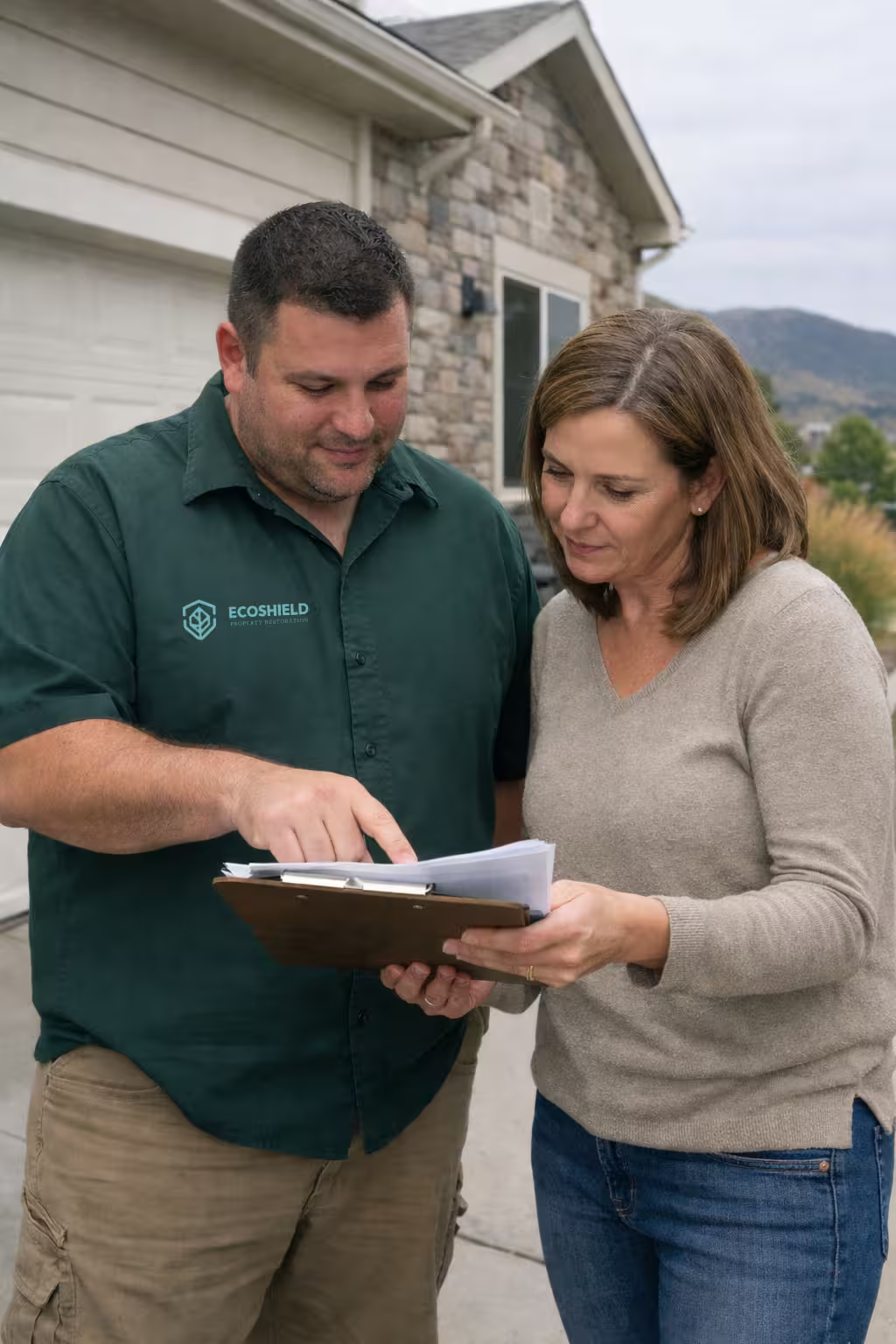
EcoShield keeps the process clear and practical. We look at the areas most likely to be affected by hail or wind, document visible concerns, and help you understand whether repair, replacement, or insurance-related next steps may make sense.
1. Exterior Review
We inspect isible roof, siding, windows, gutters, vents, flashing, and other exterior materials for signs of storm impact.
2. Damage Documentation
We take photos and notes of visible damage so you have a clearer record of what was found.
3. Storm Context
We consider whether visible damage appears consistent with recent hail or wind activity in your area.
4. Clear Next Steps
We explain whether repair, replacement, monitoring, or additional documentation may make sense.
5. Insurance Support
If insurance may be involved, EcoShield can help explain the process and support documentation.
Free Homeowner Storm Claim Playbook
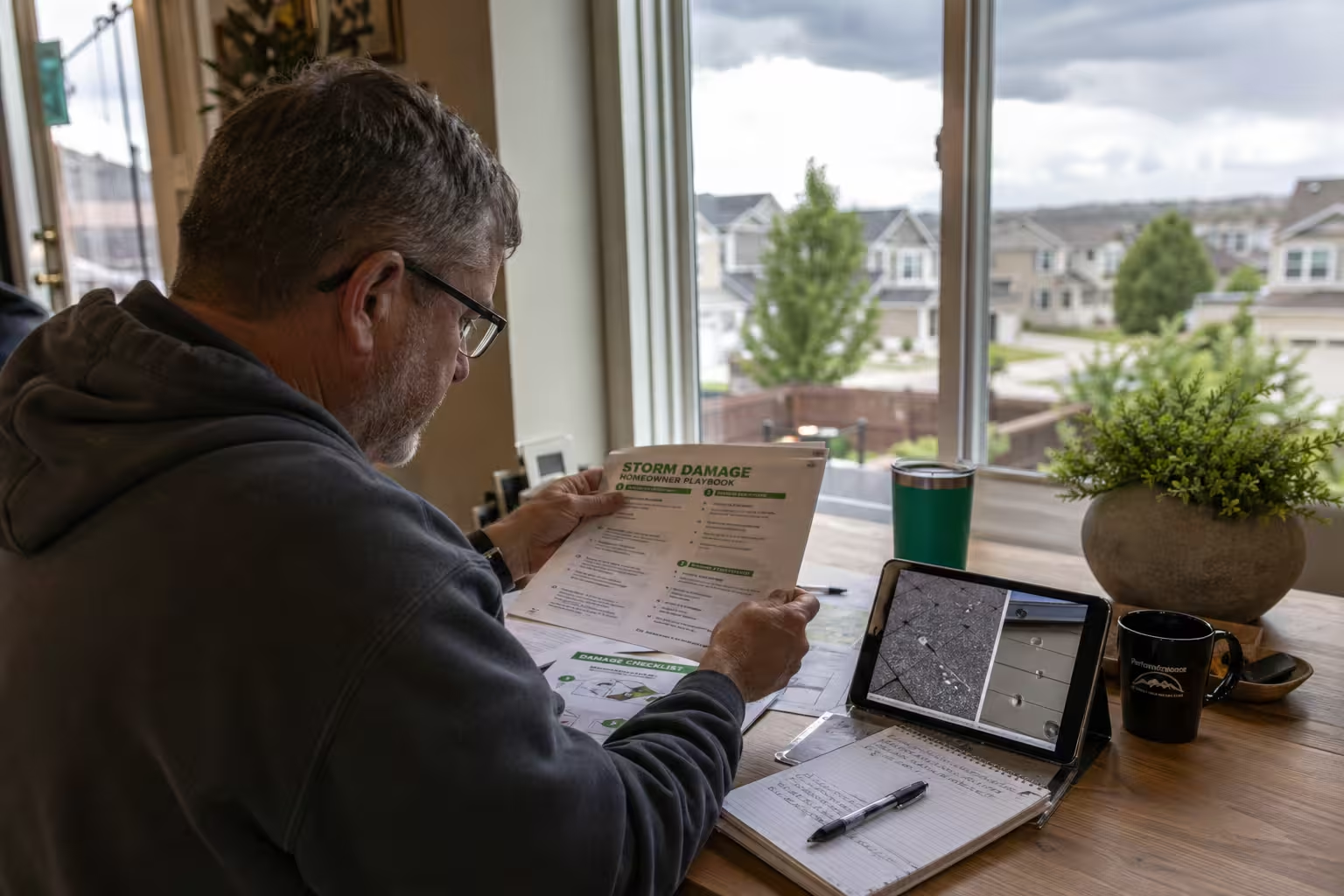
Storm damage and insurance questions can feel confusing fast. That is why EcoShield created a homeowner-friendly guide to help you understand what to look for, what mistakes to avoid, and when it may make sense to get professional giudance.
Use this playbook as a starting point before filing a claim, scheduling repairs, or deciding what to do after a hail or wind storm.
Inside the guide, you’ll learn:
- When a claim may or may not make sense
- How ACV, RCV, depreciation, and deductibles work
- Common claims mistakes to avoid
- What to do immediately after a storm
- When to reach out for help
Damage Investigation FAQs
Have questions about storm damage, documentation, or insurance-related next steps? Here are a few common questions Colorado homeowners ask before scheduling a damage investigation.
Is a damage investigation the same as filing an insurance claim?
No. A damage investigation helps identify and document visible concerns before you decide whether filing a claim makes sense. It does not automatically start on insurance claim.
What areas of my home does EcoShield review?
EcoShield looks at visible exterior areas that may be affected by hail or wind, including roofing, siding, windows, gutters, vents, flashing, soft metals, and related exterior materials.
Does visible dame always mean I should file a claim?
Not always. Some damage may be cosmetic, minor, below your deductible, or unrelated to a covered storm event. The goal is to better understand what is visible before making a claim decision.
Can EcoShield help during the adjuster meeting?
When appropriate, EcoShield can be available during the adjuster meeting to help point out documented visible damage and support clear communication about the exterior conditions observed.
What should I do after a hail or wind storm?
Avoid climbing on your roof. Check for obvious safety concerns, take photos of visible damage from the ground when safe, look for interior leaks or straining, and schedule a professional damage investigation if you are unsure what happened.
Unsure What the Storm Did to Your Home?
A damage investigation can help you understand what is visible, what may need documentation, and what next steps may make the most sense before you file a claim or start repairs.