

When Hail or Wind Damage Qualifies for Coverage
Insurance approval depends on more than visible damage.
Learn the key conditions insurers look for — and how EcoShield helps homeowners move valid claims forward.

Verified Damage
Visible wear alone is not enough for most claims. EcoShield inspects the roof and other key exterior areas to determine whether hail or wind caused functional damage that may qualify for insurance coverage.
Benefits of working with EcoShield
- Professional inspection focused on claim-relevant damage
- Functional hail or wind damage identified more accurately
- Exterior components reviewed beyond just the roof when needed
- Helps homeowners avoid filing before damage is verified
Risks of handling it on your own
- Normal aging or cosmetic issues may be mistaken for covered damage
- Important signs of storm damage can be missed
- Filing too early may create unnecessary claim history
- Coverage may be harder to support without professional verification
No cost or obligation to you.

Verified Storm Date
Insurance carriers typically need proof that hail or wind damage came from a specific storm during your policy period. EcoShield helps identify qualifying storm activity using verified weather data and claim-relevant timing.
Benefits of working with EcoShield
- Helps connect damage to a verified hail or wind event
- Supports claim timing with documented storm data
- Reduces uncertainty around when the damage likely occurred
- Strengthens claim credibility before filing moves forward
Risks of handling it on your own
- Damage may be harder to tie to a covered storm event
- Incorrect timing can weaken the claim
- Older damage may be mistaken for recent storm damage
- Lack of storm-date support can lead to delays or denial
No cost or obligation to you.

Proper Documentation
Insurance approval often depends on clear, detailed evidence of storm-related damage. EcoShield documents affected areas in a format insurers expect, helping support a stronger and more accurate claim.
Benefits of working with EcoShield
- Detailed photos and measurements of qualifying damage
- Documentation aligned with insurance review standards
- Complete records across all impacted exterior components
- Helps reduce disputes over cause or severity
Risks of handling it on your own
- Incomplete evidence can weaken the claim
- Important damage areas may be overlooked
- Issues may be labeled as normal wear and tear
- Poor documentation can lead to delays or denial
No cost or obligation to you.
Damage Presentation
Insurance approval often depends on how damage is explained and reviewed during the adjuster inspection. EcoShield meets on-site to present documented issues clearly and ensure nothing important is overlooked.
Benefits of working with EcoShield
- On-site support during the adjuster inspection
- Documented damage clearly identified and explained
- Helps ensure all affected areas are evaluated
- Reduces the risk of incomplete assessments
Risks of handling it on your own
- Important damage may be missed or undervalued
- Adjusters may not inspect all affected components
- Incomplete findings can reduce coverage
- Disputes may arise after the inspection
No cost or obligation to you.

Certified Damage
Once the carrier confirms covered storm damage, the claim can move forward based on the approved scope of work. This is the point where documented hail or wind damage becomes an insurance-backed restoration opportunity.
Benefits of working with EcoShield
- Clear transition from claim approval to restoration planning
- Approved damage scope reviewed for completeness
- Helps ensure covered repairs are properly addressed
- One experienced team ready to move the project forward
Risks of handling it on your own
- Approved work may be misunderstood or incomplete
- Important repair items can still be overlooked
- Gaps in scope may create delays or added stress
- The restoration process can become harder to manage alone
No cost or obligation to you.
When Hail or Wind Damage Qualifies for Coverage
Insurance approval depends on more than visible damage.
Learn the key conditions insurers look for — and how EcoShield helps homeowners move valid claims forward.

Verified Damage
Visible wear alone is not enough for most claims. EcoShield inspects your roof and key exterior components to determine whether hail or wind caused functional damage that may qualify for insurance coverage.
Benefits of working with EcoShield
- Professional inspection focused on claim-relevant damage
- Functional hail or wind damage identified accurately
- Exterior components reviewed beyond just the roof
- Helps avoid filing before damage is verified
Risks of handling it on your own
- Normal aging may be mistaken for covered damage
- Important storm indicators can be missed
- Filing too early can create unnecessary claim history
- Coverage may be harder to support later
No cost or obligation to you.

Verified Storm Date
Insurance carriers usually require proof that damage came from a specific storm during your policy period. EcoShield helps identify qualifying hail or wind events using verified weather data.
Benefits of working with EcoShield
- Links damage to documented storm activity
- Supports claim timing with weather records
- Reduces uncertainty about when damage occurred
- Strengthens credibility before filing
Risks of handling it on your own
- Damage may not be tied to a covered event
- Incorrect timing weakens the claim
- Older damage may be mistaken as recent
- Lack of proof can delay or derail approval
No cost or obligation to you.

Proper Documentation
Insurance approval depends heavily on clear evidence. EcoShield documents hail or wind damage in a format insurers expect, helping support a stronger and more accurate claim.
Benefits of working with EcoShield
- Detailed photos and measurements of damage
- Documentation aligned with insurance standards
- Complete records across all impacted areas
- Reduces disputes over cause or severity
Risks of handling it on your own
- Incomplete evidence weakens your claim
- Important damage may be overlooked
- Issues labeled as wear and tear
- Poor documentation can lead to denial
No cost or obligation to you.

Damage Presentation
Approval often depends on how damage is explained during the adjuster inspection. EcoShield meets on-site to present documented issues clearly and ensure nothing important is overlooked.
Benefits of working with EcoShield
- On-site support during adjuster inspection
- Damage clearly identified and explained
- Helps ensure all areas are evaluated
- Reduces risk of incomplete assessments
Risks of handling it on your own
- Damage may be missed or undervalued
- Adjusters may not inspect everything
- Incomplete findings reduce coverage
- Disputes may arise later
No cost or obligation to you.

Certified Damage
Once the carrier confirms covered storm damage, the claim moves forward based on the approved scope. This is when documented hail or wind damage becomes an insurance-backed restoration opportunity.
Benefits of working with EcoShield
- Clear transition from approval to restoration
- Approved scope reviewed for completeness
- Helps ensure covered repairs are addressed
- One experienced team ready to proceed
Risks of handling it on your own
- Approved work may be misunderstood
- Important repairs can still be missed
- Gaps in scope may cause delays
- Process becomes harder to manage alone
Get the Front Range Storm Claim Playbook
Wat a clearer understanding of what to do after storm damage, how insurance claims work, and which mistakes to avoid? Download EcoShield’s Front Range Storm Claim Playbook for practical guidance built for Colorado homeowners.
Free resource. No obligation required.
We regularly work with major insurance carriers
EcoShield helps homeowners navigate claim-related roofing and restoration projects with a process that feels clearer from the start.



And, many others.
Why Homeowners Call EcoShield Early
Storm claims move better when the right contractor is involved early.
Local Front Range Coverage
Serving Denver, the Front Range, and the I-25 corridor.
Adjuster Meeting Support
EcoShield can meet your insurance adjuster on-site when needed.
Storm Restoration Experience
Work with a team experienced in hail and wind claim-related roofing projects.
Fast Documentation
Prompt inspections and documentation help when storm damage needs quick review.
Will insurance likely cover this kind of roof damage?
Hail and wind damage are two of the most common reasons homeowners file roof insurance claims. While every policy and inspection is different, storm-related roof damage is often the starting point for a claim review.
Storm-related damage is often the key factor
When hail or wind appears to have caused roof damage, that is often the starting point for a claim review. Visible storm-related conditions matter much more than normal aging alone.
Age and wear are viewed differently
Insurance carriers usually separate storm damage from wear, maintenance issues, or long-term deterioration. That is why a proper inspection and documentation matter early in the process.
Documentation can make the next step clearer
Photos, roof observations, and inspection notes help homeowners understand whether the visible damage looks like something worth discussing with the insurance carrier.
Good news — hail and wind damage are often among the most common roof claim scenarios.
Ecoshield helps homeowners inspect storm damage, document visible roof conditions, and understand whether the next step should be contacting the insurance carrier or asking more questions first.
Signs your roof may have hail or wind damage
Not all storm damage is obvious from the ground. Hail can create impact marks and surface damage, while wind can lift, crease, or remove shingles. Accessories like vents, flashing, and gutters may also show storm-related issues.
Shingle bruising or impact marks after hail.
Lifted, creased, or missing shingles after wind.
Accessory damage around vents, flashing, or roof edges.
Granule loss or roof surface changes after a storm event.
What usually matters to insurance?
Insurance carriers generally look for covered storm-related damage rather than normal aging. Timing, documentation, and visible evidence can all affect how the roof condition is reviewed during the claim process.
Cause of damage
Condition of the roof before the storm
Visible impact or wind-related damage
Timing of inspection and documentation
Common Hail and Wind Damage Examples
Not all storm damage looks the same. These are some of the common roof conditions EcoShield looks for when inspecting hail and wind-related damage.
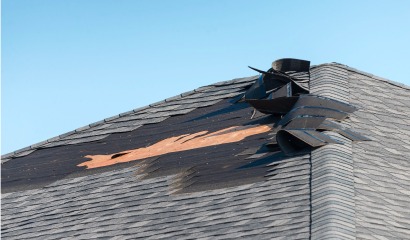
Lifted or Torn Shingles
Wind can lift, crease, or tear shingles, which may expose the roof to further damage if the issue is not inspected early.
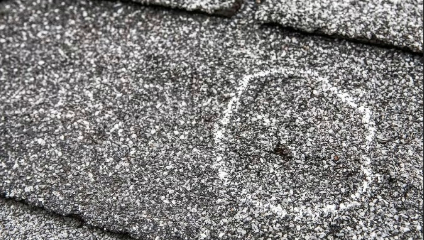
Hail Impact Damage
Hail can leave visible impact areas, bruising, or surface damage that may affect the integrity of the roofing system.
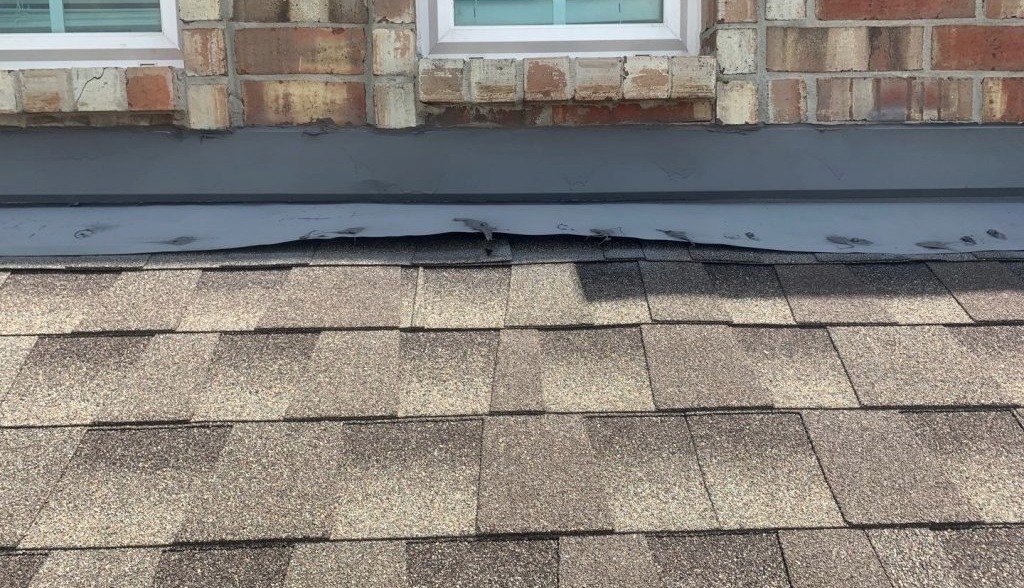
Flashing and Edge Damage
Storm conditions can also affect flashing, roof edges, vents, and other components that help keep water out of the home.
Schedule Your Free Storm Damage Inspection
This short form helps us understand your situation so we can inspect your roof, document damage, and guide you through the next steps with clearer expectations. No obligation.
Frequently Asked Questions
These are some of the common questions homeowners ask when dealing wiht hail or wind-related roof damage and the insurance claim process.
Will insurance usually cover hail or wind damage to a roof?
Hail and wind damage are among the most common reasons homeowners file roof insurance claims. Coverage still depends on the policy, the visible roof conditions, and how the damage is reviewed, which is why inspection and documentation matter.
What if I'm not sure whether the damage is from hail, wind, or age?
That is very common. EcoShield can inspect the roof, document visible conditions, and help homeowners understand whether the roof appears to show storm-related damage or more typical aging and wear.
Should I contact my insurance company before I have the roof inspected?
Many homeowners prefer to understand the visible roof condition first. EcoShield can inspect the roof, document storm-related damage, and help clarify whether the next step should be contacting the insurance carrier.
Can EcoShield meet my insurance adjuster?
Yes. When appropriate, EcoShield can meet the adjuster on-site to help point out documented roof damage and answer roofing-related questions during the inspection.
What happens after I submit the inspection form?
After the form is submitted, EcoShield will review the information, follow up, and help schedule the next step. From there, the goal is to inspect the roof, document visible storm damage, and help you understand your options more clearly.
Get help with possible hail or wind damage before the next step feels harder.
EcoShield helps homeowners inspect storm damage, document visible roof conditions, and move through the insurance claim process with clearer expectations and less guesswork.