Insurance Pays When Claims Are Done Right
Insurance pays when claims are handled correctly — not just when damage exists. Homeowners often get only one real chance to file properly. Mistakes or missing documentation can lead to denials or unexpected costs.
The steps below show how to protect your claim and your home.

Confirm Storm Damage
Storm damage isn’t always obvious from the ground. A professional inspection determines whether your roof, siding, gutters, windows, or other exterior components may qualify for coverage.
Benefits of working with EcoShield
- Full exterior inspection — not just the roof
- Hidden damage identified across all components
- Prevents unnecessary or premature claim filings
- Clear guidance on whether filing makes sense
Risks of handling it on your own
- Filing without confirmed damage stays on your record
- Non-roof damage may be missed
- Insurance may deny claims without proper verification
- Small issues can worsen over time
No cost or obligation to you.
Proper Documentation
Insurance approval depends heavily on how damage is documented. Clear evidence across all affected areas strengthens your claim.
Benefits of working with EcoShield
- Detailed documentation of roof and exterior damage
- Evidence prepared to meet insurance standards
- Accurate records of storm-related conditions
- Reduces disputes over cause or severity
Risks of handling it on your own
- Incomplete documentation weakens your claim
- Important exterior damage may be overlooked
- Issues may be labeled as normal wear and tear
- Poor evidence can lead to denial or underpayment
No cost or obligation to you.
Damage Presentation
How damage is presented — from the initial claim call through the adjuster inspection — can significantly influence the outcome.
Benefits of working with EcoShield
- Guidance on describing damage during the claim call
- Ensures all affected areas are reported accurately
- We meet your adjuster on-site during inspection
- Critical exterior issues are identified and discussed
Risks of handling it on your own
- Incorrect claim details may limit coverage
- Some damage may not be mentioned during the call
- Adjusters may miss issues without contractor input
- You may accept an incomplete assessment
No cost or obligation to you.
Proper Insurance Commitment
Once insurance responds, the scope must reflect everything required to restore your home — not just the most visible damage.
Benefits of working with EcoShield
- Review of insurance scope for completeness
- Missing exterior items identified early
- Helps ensure repairs meet policy requirements
- Reduces unexpected costs later
Risks of handling it on your own
- Necessary repairs may be omitted
- Underpayment could leave expenses out of pocket
- Exterior components may not be fully restored
- Discrepancies can delay the project
No cost or obligation to you.
Claim Management
Approval is only part of the process. Proper coordination ensures all repairs are completed correctly and the claim is fully resolved.
Benefits of working with EcoShield
- Guidance from approval through project completion
- Coordination with insurance when needed
- Assistance with supplements for additional damage
- One team managing the entire restoration
Risks of handling it on your own
- Miscommunication can delay repairs
- Important steps or paperwork may be missed
- Additional damage issues may go unresolved
- You manage contractors and insurance alone
No cost or obligation to you.
Insurance Pays When Claims Are Done Right
Insurance pays when claims are handled correctly — not just when damage exists. Homeowners often get only one real chance to file properly. Mistakes or missing documentation can lead to denials or unexpected costs.

Confirm Storm Damage
Storm damage isn’t always obvious from the ground. A professional inspection determines whether your roof, siding, gutters, windows, or other exterior components may qualify for coverage.
Benefits of working with EcoShield
- Full exterior inspection — not just the roof
- Hidden damage identified across all components
- Prevents unnecessary or premature claim filings
- Clear guidance on whether filing makes sense
Risks of handling it on your own
- Filing without confirmed damage stays on your record
- Non-roof damage may be missed
- Insurance may deny claims without proper verification
- Small issues can worsen over time
No cost or obligation to you.

Proper Documentation
Insurance approval depends heavily on how damage is documented. Clear evidence across all affected areas strengthens your claim.
Benefits of working with EcoShield
- Detailed documentation of roof and exterior damage
- Evidence prepared to meet insurance standards
- Accurate records of storm-related conditions
- Reduces disputes over cause or severity
Risks of handling it on your own
- Incomplete documentation weakens your claim
- Important exterior damage may be overlooked
- Issues may be labeled as normal wear and tear
- Poor evidence can lead to denial or underpayment
No cost or obligation to you.

Damage Presentation
How damage is presented — from the initial claim call through the adjuster inspection — can significantly influence the outcome.
Benefits of working with EcoShield
- Guidance on describing damage during the claim call
- Ensures all affected areas are reported accurately
- We meet your adjuster on-site during inspection
- Critical exterior issues are identified and discussed
Risks of handling it on your own
- Incorrect claim details may limit coverage
- Some damage may not be mentioned during the call
- Adjusters may miss issues without contractor input
- You may accept an incomplete assessment
No cost or obligation to you.

Proper Insurance Commitment
Once insurance responds, the scope must reflect everything required to restore your home — not just the most visible damage.
Benefits of working with EcoShield
- Review of insurance scope for completeness
- Missing exterior items identified early
- Helps ensure repairs meet policy requirements
- Reduces unexpected costs later
Risks of handling it on your own
- Necessary repairs may be omitted
- Underpayment could leave expenses out of pocket
- Exterior components may not be fully restored
- Discrepancies can delay the project
No cost or obligation to you.

Claim Management
Approval is only part of the process. Proper coordination ensures all repairs are completed correctly and the claim is fully resolved.
Benefits of working with EcoShield
- Guidance from approval through project completion
- Coordination with insurance when needed
- Assistance with supplements for additional damage
- One team managing the entire restoration
Risks of handling it on your own
- Miscommunication can delay repairs
- Important steps or paperwork may be missed
- Additional damage issues may go unresolved
- You manage contractors and insurance alone
No cost or obligation to you.
Get the Front Range Storm Claim Playbook
Wat a clearer understanding of what to do after storm damage, how insurance claims work, and which mistakes to avoid? Download EcoShield’s Front Range Storm Claim Playbook for practical guidance built for Colorado homeowners.
Free resource. No obligation required.
We regularly work with major insurance carriers
EcoShield helps homeowners navigate claim-related roofing and restoration projects with a process that feels clearer from the start.

And, many others.
Will Insurance Cover Your Roof Damage?
This quick self-check helps homeowners understand whether roof damage may fall into a common claim scenario. It is not a coverage decision, but it can help you know what to do next.
What caused the damge?
Storm-related damage like hail, wind, or falling debris is often the starting point for a roof insurance claim. If the issue is simply age or wear and tear, coverage may be limited.
When did the damage happen?
Recent storm damage is often easier to inspect and document clearly. If the timing is less clear, EcoShield can still inspect the roof and help you understand whether the dmage looks storm-related.
Have you contacted your insurance company?
Whether you have already opened the claim or not, EcoShield can inspect the roof, document visible damage, and help you understand the next best step.
Good news — storm damage is commonly one of the strongest roof claim scenarios.
EcoShield can inspect your roof, document visible damage, and help you understand the next step in the insurance claim process.
What Helps a Roof Insurance Claim Move Forward?
A smoother claim usually starts with clear documentation, visible storm-related damage, and a contractor who knows how to support the process.
What helps a claim move forward?
- Clear photos and documentation of roof damage
- Visible storm-related dmage rather than normal wear and tear
- A timely inspection after the storm or discovery of damage
- An adjuster visit supported by a knowledgeable contractor
- A clear review of the approved scope before work begins
What parts of the policy or claim situation matter?
- The cause of the damage and whether it appears storm-related
- How soon the damage is inspected and documented
- The deductible and what the homeowner is responsible for
- Whether the policy includes limitations or exclusions
- What the insurance carrier approves in the scope of work
What Happens Next in a Typical Roof Insurance Claim?
Most homeowners feel more confident when they know what the next step usually looks like — and what options may still exist if a claim is denied or partially approved.
Typical roof claim timline
- Inspection and documentation
EcoShield inspects the roof, documents visible storm-related dmage, and helps clarify what the next step should be. - Claim is opened
The homeowner contacts the insurance carrier and starts the claim process with the available information. - Adjuster visit
The carrier typically schedules and inspection, and EcoShield can meet the adjuster on-site when appropriate. - Scope review
After the inspection, EcoShield helps the homeowner review the scope and understand what work was approved. - Scheduling and production
Once the scope is ready, the project moves into material selection, scheduling, installation, and final walkthrough.
What if my claim is denied?
A denial does not always mean the conversation is over. Sometimes the issue is the type of damage, the documentation available, the timing of the inspection, or how the roof conditions were interpreted during the review.
EcoShield can help homeowners understand what was documented, what the insurance carrier approved or denied, and whether the next step should be clarification, additional review, or a direct discussion about project options.
The goal is to help homeowners move forward with better information, not more confusion.
Common Storm Damage Examples
Not all roof damage looks the same. These are some of the common issues EcoShield looks for when inspecting storm-related roof conditions.
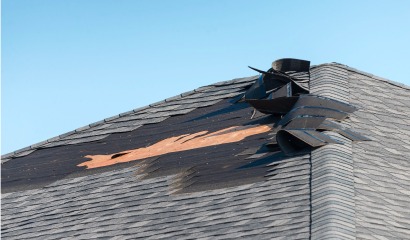
Shingle Damage
Lifted, torn, creased, or missing shingles can point to wind-related storm damage and should be inspected before the issue spreads.
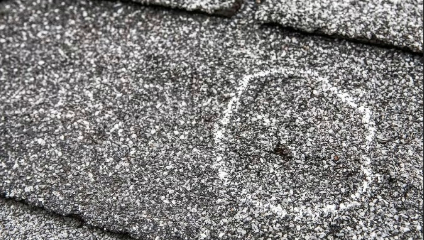
Hail or Impact Damge
Hail can leave visible impact areas or surface damage that may affect the roof system and should be documented as clearly as possible.
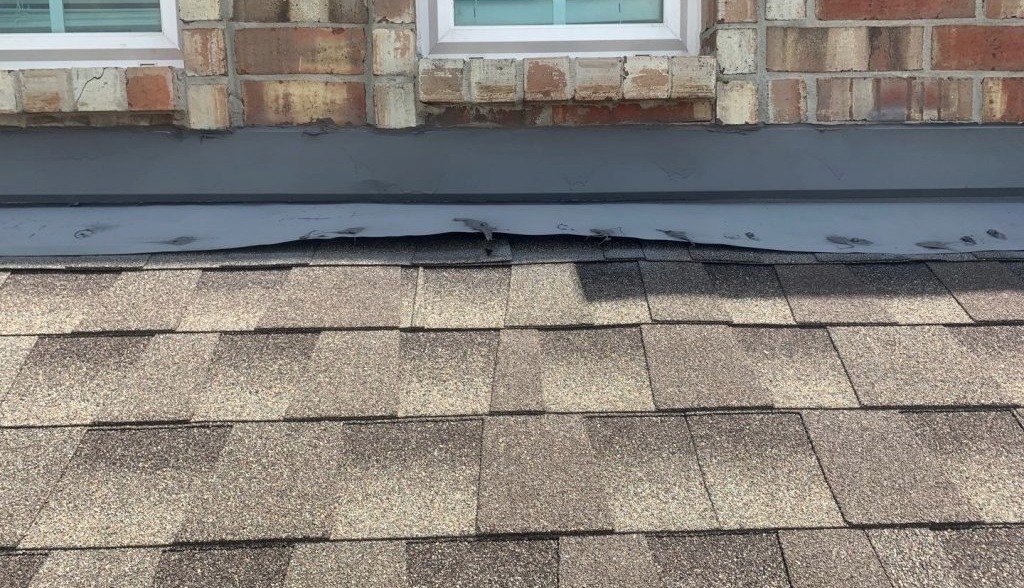
Flashing & Trim Damage
Storm damage can also affect flashing, vents, edges, and other roofing components that help protect the home from moisture and leaks.
Myth vs. Fact
Roof insurance claims can feel confusing, especially when homeowners hear conflicting advice.
Myth: Filing a roof claim always means your premium will increase.
Fact: Storm-related claims are often handled differently from preventable issues. A homeowner’s situation depends on the insurance carrier, the policy, and claim history — not just the fact that a claim was filed.
Myth: If a roof is older, insurance will never help.
Fact: The cause and condition of the damage still matter. Storm-related roof damage may still need to be inspected and documented, even when a roof is not brand new.
Myth: If the claim is denied once, there is nothing else to review.
Fact: A denial does not always mean the conversation is over. Sometimes the issue is documentation, or how the roof conditions were interpreted during the review.
Myth: If I do not see an interior leak, the roof is probably fine.
Fact: Storm damage can affect shingles, flashing, vents, edges, and other roofing components before interior signs become obvious. That is why inspections matter.
Schedule Your Free Insurance Claim Inspection
This short form helps us understand your situation so we can inspect your roof, document damage, and guide you through the insurance claim process. No obligation.
Frequently Asked Questions
These are some of the common questions homeowners ask when dealing with roof damage and the insurance claim process.
Do I have to use the insurance company's preferred contractor?
No. Homeowners generally have the right to choose their own contractor. EcoShield can inspect the roof, explain visible damage, and support the claim process as your selected contractor.
Will EcoShield meet my insurance adjuster?
Yes. EcoShield can meet the adjuster on-site when appropriate to help point out documented roof damage and answer roofing-related questions during the inspection.
Can insurance pay for a full roof replacement?
In some situations, yes. It depends on the type of damage, the policy, the insurance carrier’s findings, and what is included in the approved scope of work. A storm damage inspection is usually the best place to start.
What if I'm not sure whether the damage is from hail, wind, or age?
That is common. EcoShield can inspect the roof and document visible conditions so you have a clearer understanding of whether the issue looks storm-related or more consistent with age-related wear.
What happens after I submit the inspection form?
Once the form is submitted, EcoShield will review the information, follow up, and help schedule the next step. From there, the goal is to inspect the roof, document visible damage, and help you understand your options.
Get help with your roof insurance claim before the next step feels harder.
EcoShield helps homeowners inspect storm damage, document roof conditions, and move through the insurance claim process with clearer expectations and less confusion.